Overview
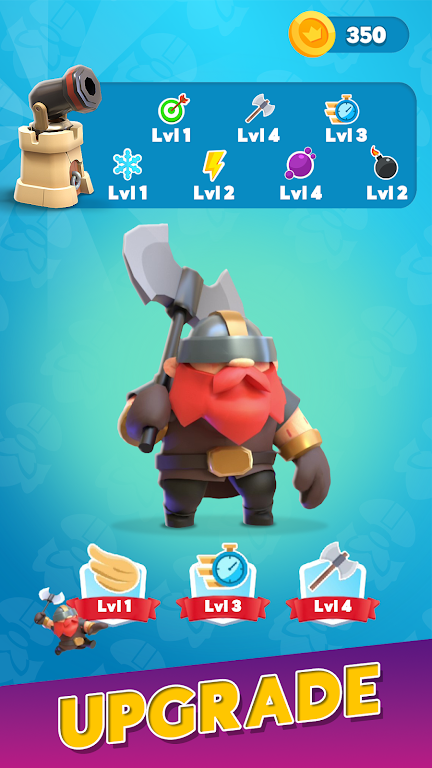
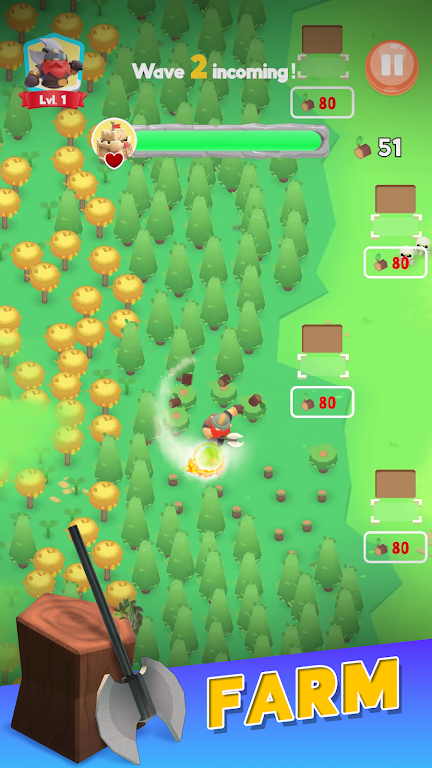
Chop Hero TD is a Tower Defense mobile game prototype made in 3 months in which the player can directly hit the enemies, and needs to farm resources to build different types of turrets. The game was composed of one "easy" and one "hard" level, as well as a simple skills upgrade system.
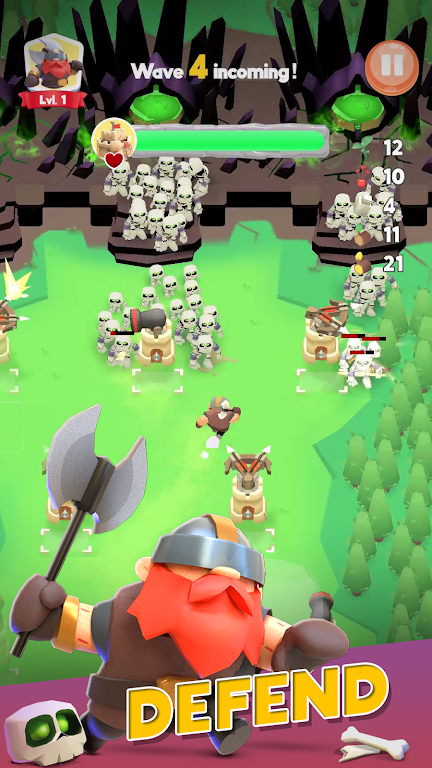
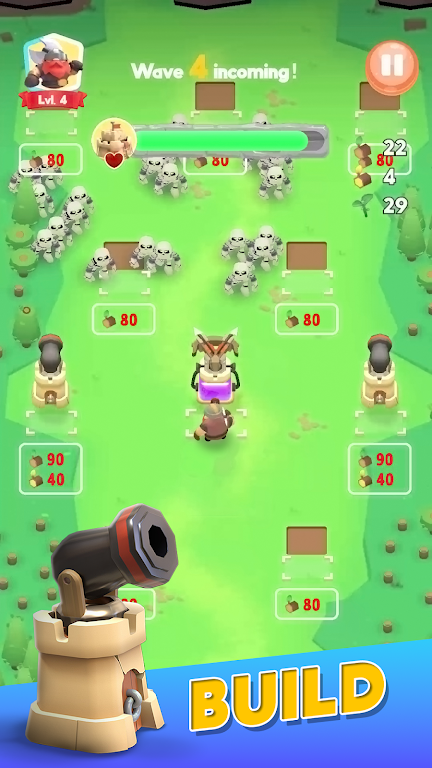
BRIEF
Design a game using our already existing farming character controls (Cloud Chopper).
IDEATION
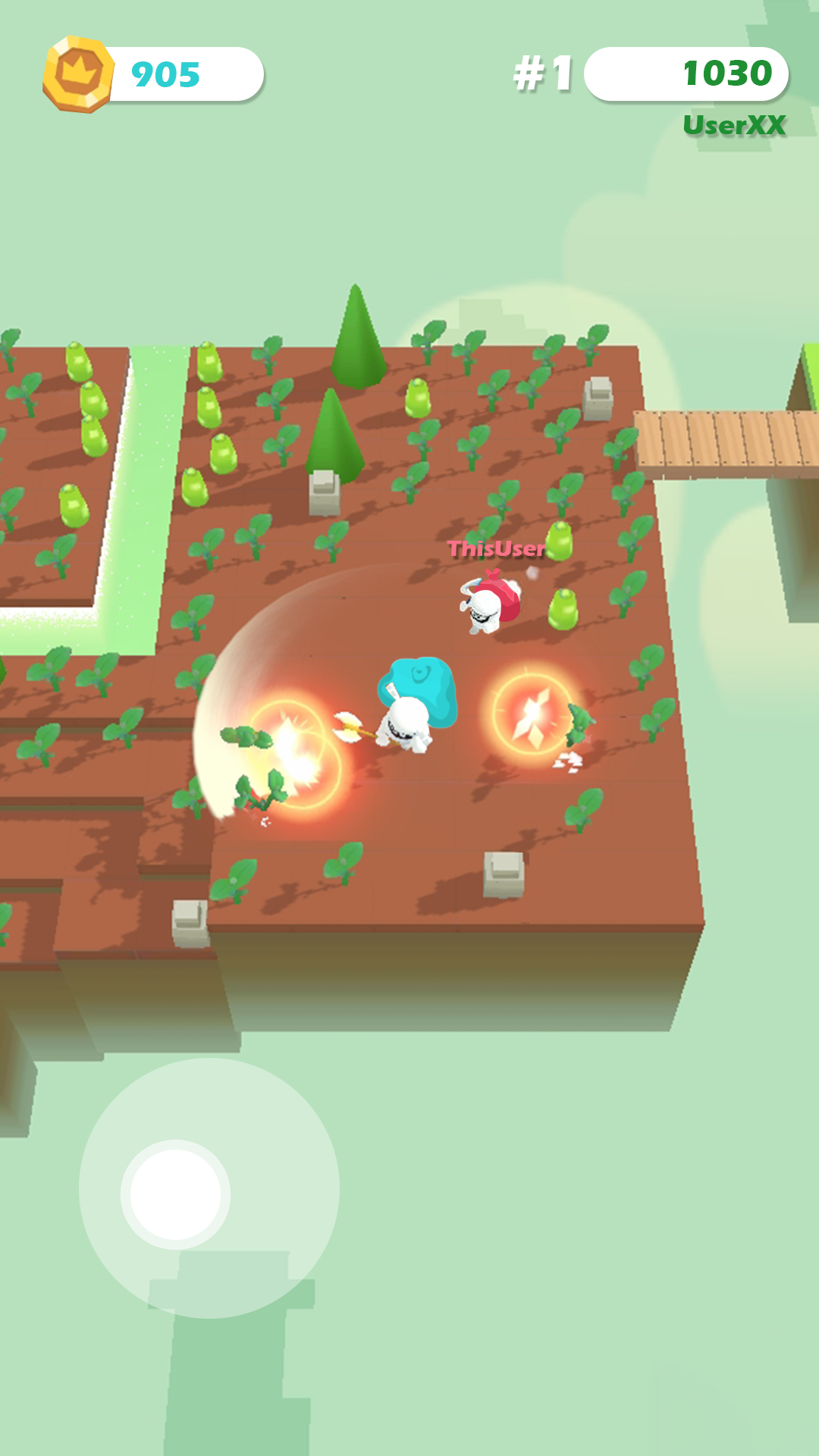
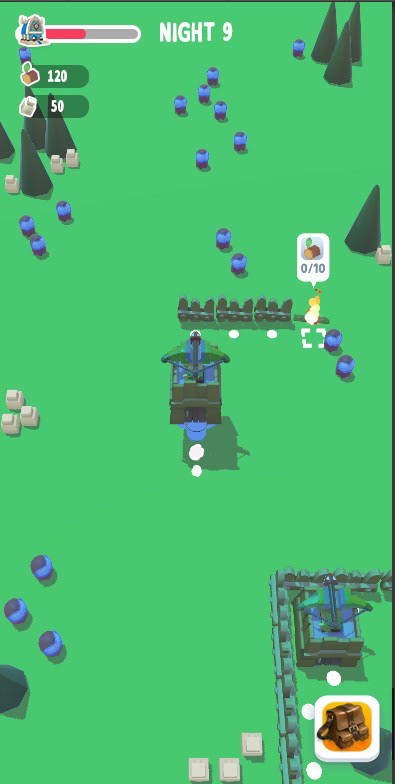
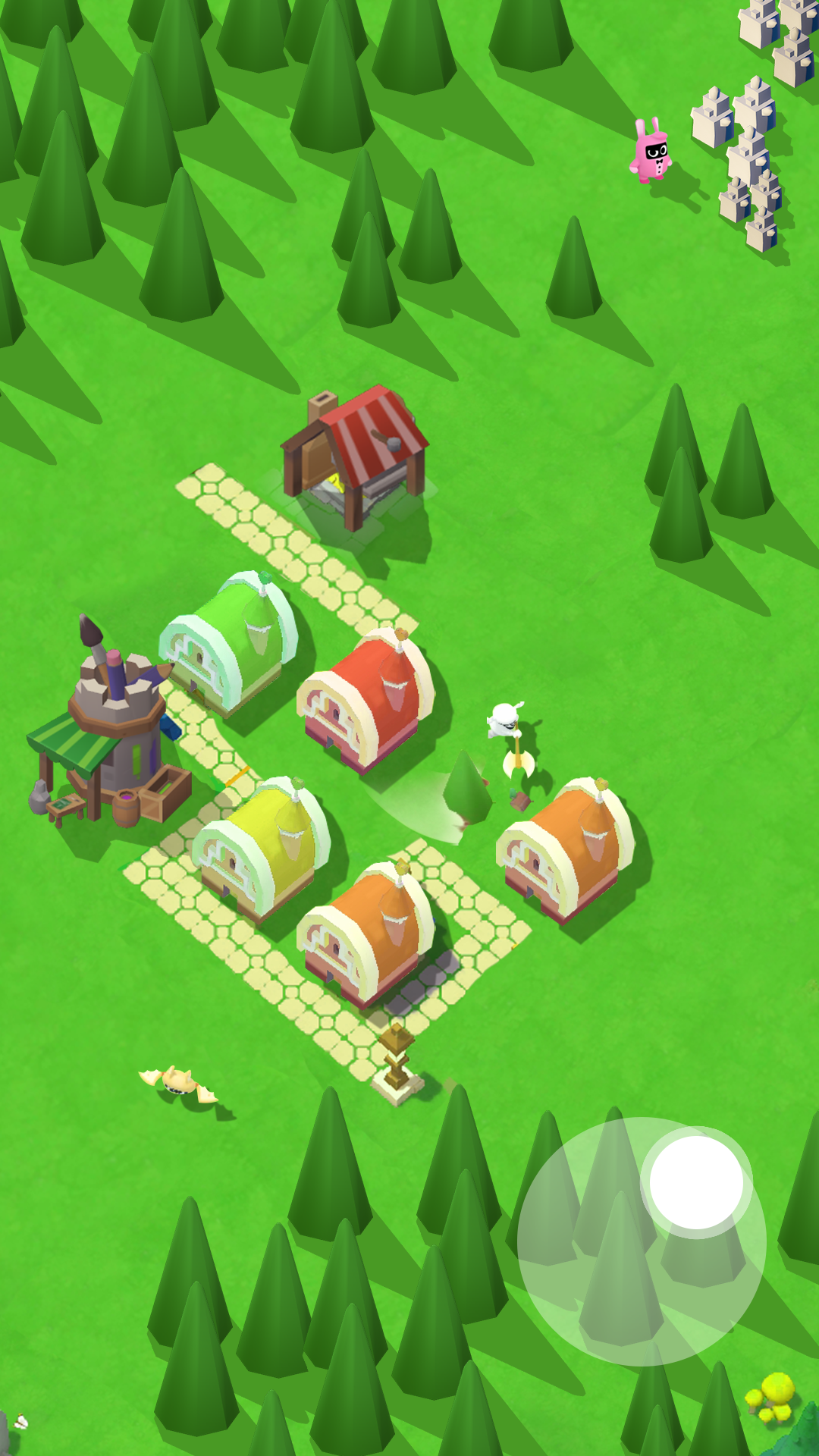
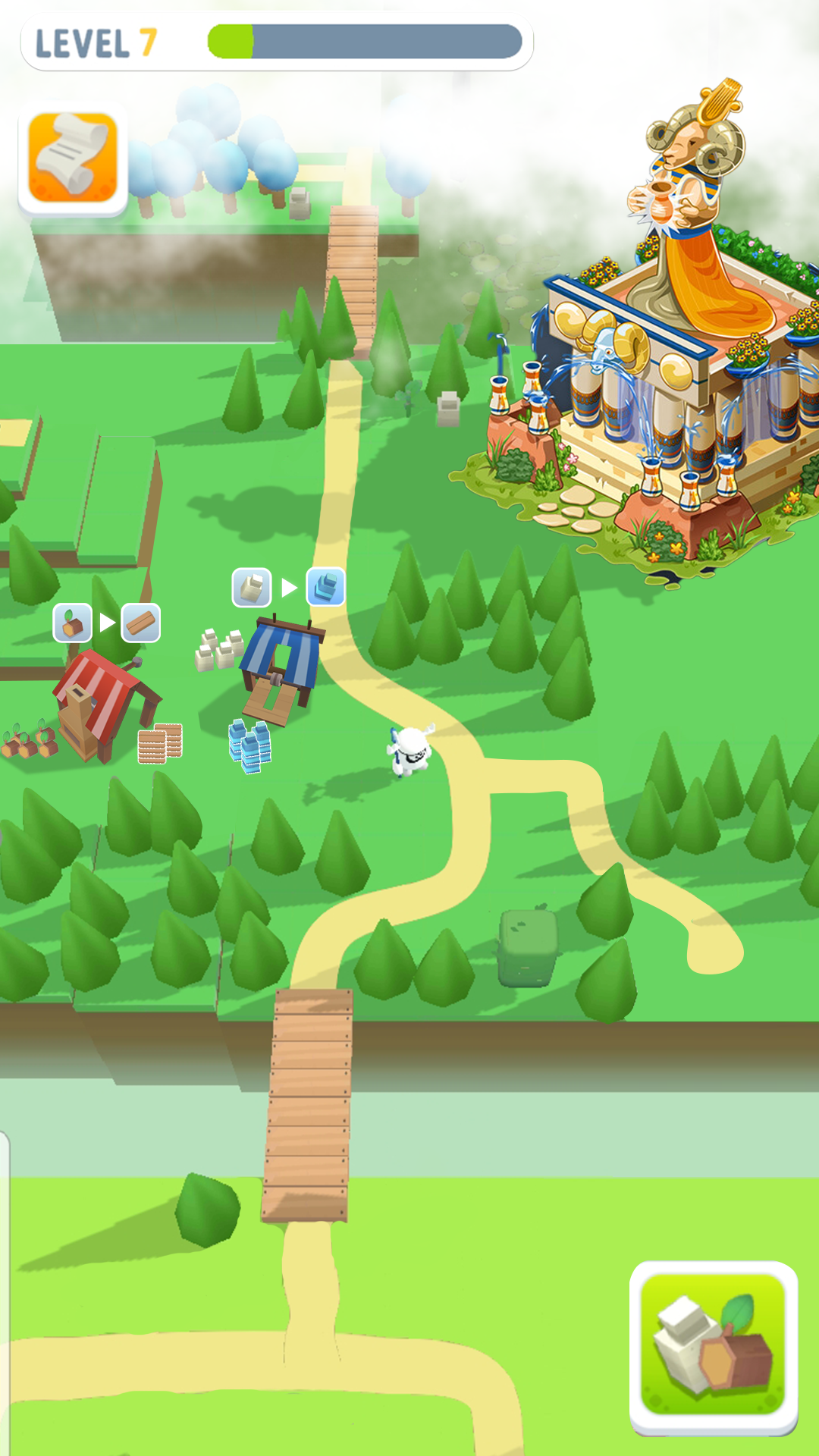
By mashing up Cloud Chopper's farming system and other game references, I make still mockups of my most promising ideas to easily explain each gameplay to my higher ups. Due to NDA the game pitches can't be shared but I can showcase some of the mockups down below. The second mockup was chosen, in which the player needs to farm resources across the map to create turrets and defend their base against waves of enemies.
APPEAL TEST
Once the game concept established, we went for an appeal test to estimate if players would be interested in our game or not.
The appeal test consisted in running a fake ad of the game that we made using existing resources from Gameloft and additional rough coding. We would then analyze the KPIs from the fake ad campaign and the CPC (cost per click) were satisfying enough to launch the production of the game prototype Chop Hero TD.
Appeal test for Chop Hero TD
PRODUCTION
Core game loop
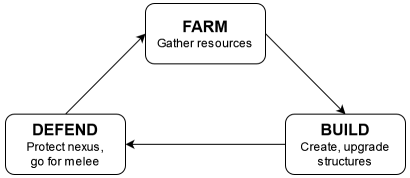
The core game loop for Chop Hero TD was very straight-forward, as our prototype didn't include a complex meta (additional features to deepen the player progression).
The player basically needs to farm resources around the nexus, then use these resources to either build or upgrade turrets, and finally defend the nexus once the enemies' wave starts.
We also chose not to add an actual meta game. However, to give the idea of a global player progression we gave a random upgrade to the players' character or turrets stats at each end of game.
TUTORIAL
For Chop Hero TD, I designed a tutorial in the shape of a mini-level with instructions written on the ground so the player could complete it in a few minutes without questioning themselves on what to do.
Level making
Without getting too much into details, I designed a waves system in which I could create several waves for each difficulty (very easy, easy, medium and difficult), and I would partially randomly call one of the waves depending on which stage the player is at.
To define the difficulty of a wave, I would calculate the total HP of the wave. The more HP, the more the player had to create damage, so the more difficult the wave was.
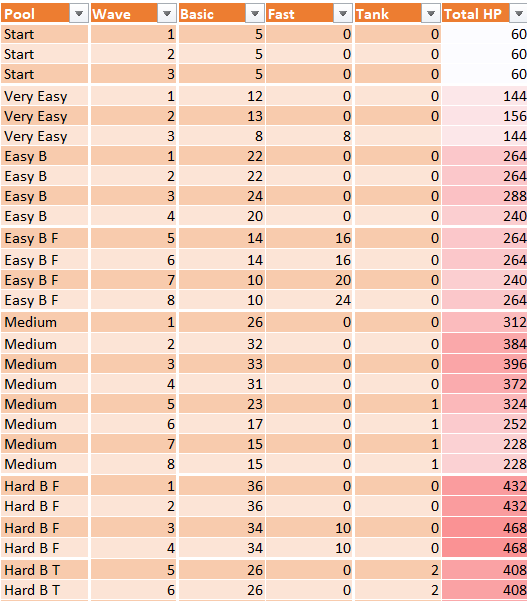
Definition of each wave with the repartition of each enemy type (basic, fast and low HP, slow and high HP) as well as total HP of the wave
I then defined 9 pools that each had a different repartition of waves and assigned each round to one of the 9 pools. Basically, each time a round started, it would randomly pick a level into its assigned pool. This would allow controled randomness to the each game session. (Note: "Very easy" and "Start" waves were used for the tutorial and first few rounds with no randomness).
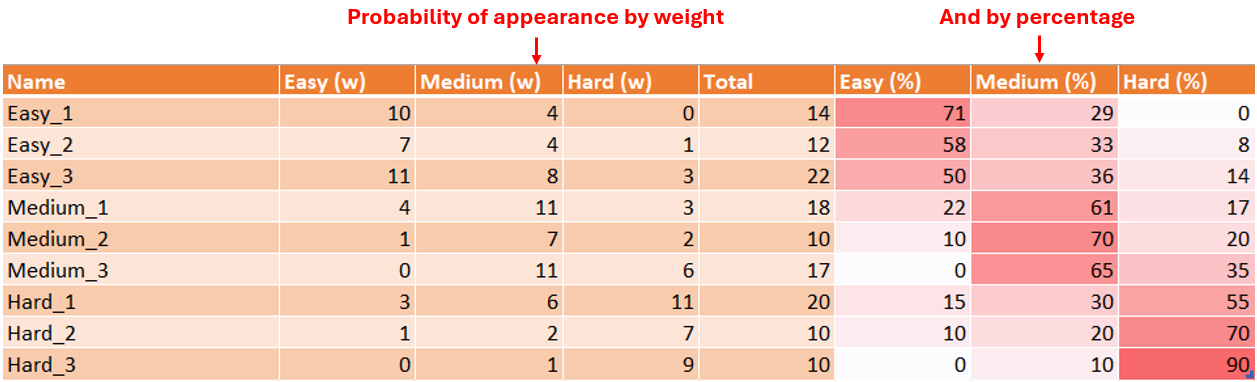
I use weight for easier implementation, and percentages for better visibility in my documentation
PLAYTESTS
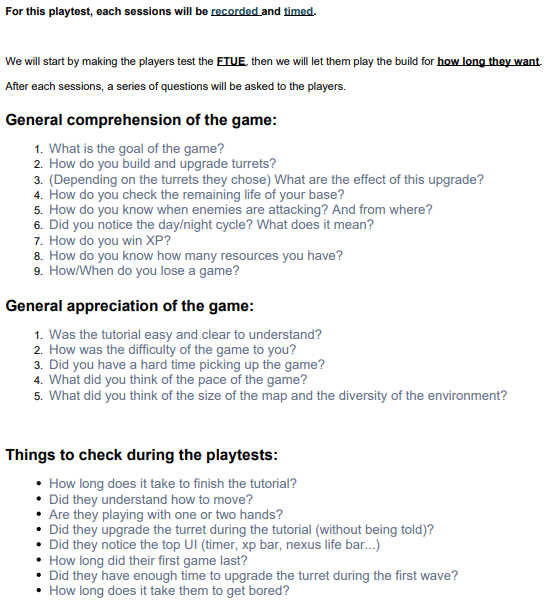
Alongside our UX/UI designer, I hosted internal playtests in which I asked players to play our prototype with both the UX designer and I watching them play. We would write down any oral reactions ("This is so hard", "What should I do now?", "That was easy"...) as well as non-verbal feedbacks (hesitating, skipping tutorial steps...).
Players were chosen depending on their gaming background and affinities to stay close to our target.
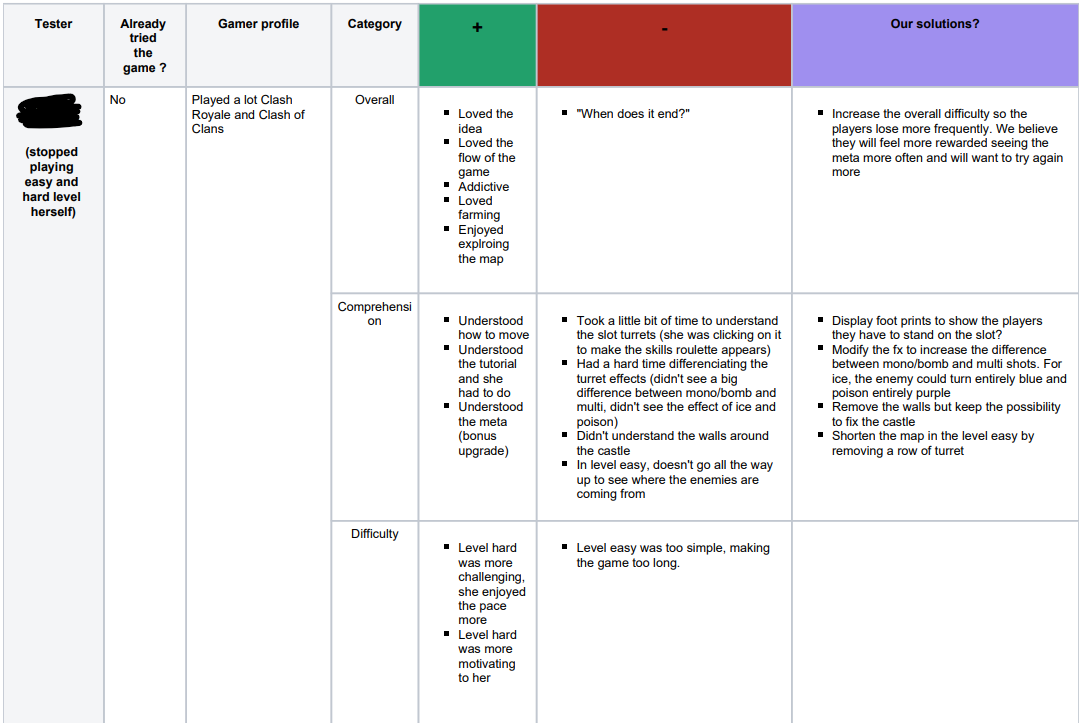
Results were centered in a folder with positive and negative feedbacks, alongside first-hand solutions and iteration ideas for negative feedbacks.
The first playtests would arrive around 1 month after starting our prototype and we would do up to 1 or 2 playtests a month during the following 2 months of development until release.
Excerpt of playtests results for Chop Hero TD: